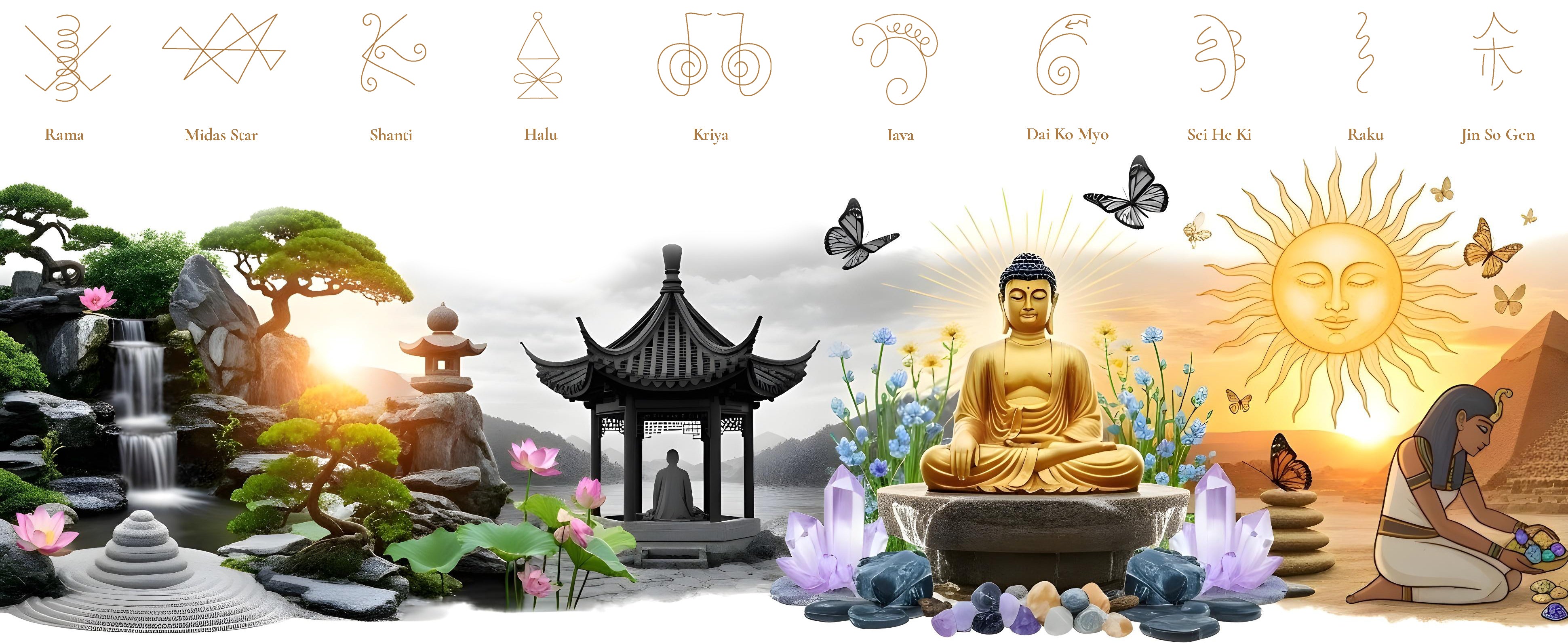
Buddha statues have long resonated with people globally, embodying the spiritual core of Buddhism while serving as enduring symbols of tranquility and enlightenment. This blog delves into the rich tapestry of history, symbolism, and cultural influence surrounding Buddha statues.
Historical Roots of Buddha Statues
Inception
Depicting the Buddha in human form began in ancient India, initiated by early Buddhist followers who sought a tangible focal point for their reverence and meditation, aiding in visualizing the enlightened Buddha.
Transformation
With the spread of Buddhism, the artistic representation of Buddha statues transformed, shaped by diverse local traditions and cultures. In the Gandhara region, for example, Buddha statues reflect Greco-Roman influences due to Hellenistic impact, whereas in East Asia, they adopted unique local styles, integrating the artistic traditions of China and Japan.
Cultural and Artistic Significance
The stylistic diversity of Buddha statues not only served religious functions but also reflected the cultural interchanges between various civilizations. This artistic variation provides insight into the interplay between art and religion, influencing and shaping each other throughout different regions and epochs.
Symbolism of Buddha Statues
Symbolism of Postures and Gestures

Buddha statues are imbued with rich symbolism, where each posture and gesture (mudra) conveys significant meanings.
-
The seated Buddha is the most prevalent posture, symbolizing meditation and the Buddha's enlightenment beneath the Bodhi tree.
-
Mudras like the 'Dharmachakra' (Wheel of Dharma), with hands held up and thumb and index finger forming a circle, signify teachings and spiritual development.
-
The 'Bhumisparsha' (Earth-touching) gesture, where the Buddha calls the Earth to witness his enlightenment, denotes steadfastness.
Symbolism of Facial Expressions and Features
The serene expression of Buddha statues is crafted to evoke calm and mindfulness in the viewer.
-
Features like half-closed eyes suggest meditation, inward focus, and awareness of the outer world.
-
The elongated ears, often depicted, represent the Buddha's ability to hear everything and his princely past, marked by wearing heavy ornaments that stretched his earlobes.
-
These attributes highlight the Buddha's transcendence beyond ordinary existence.
Symbolism of Materials and Colors
The materials and colors chosen for Buddha statues carry symbolic meanings.
-
Gold or bronze statues symbolize the enduring nature of the Buddha's teachings, reflecting purity and permanence.
-
In some traditions, different colors denote various attributes: gold for enlightenment, white for purity, and blue for healing.
-
The use of particular stones or metals embodies local beliefs and spiritual qualities associated with these materials.
Symbolism of Iconographic Elements
Other elements in Buddha statues, such as the lotus throne, are symbolic.
-
The lotus symbolizes purity and spiritual awakening, blooming beautifully even in muddy waters.
-
The flame atop the head, found in some statues, signifies the light of enlightenment dispelling ignorance.
-
The 'ushnisha,' a protrusion on the Buddha's head, indicates supernatural wisdom.
Through these symbols, Buddha statues communicate profound spiritual truths and teachings, serving as focal points for meditation and reflection. Each element is crafted to remind the observer of the Buddha's life, his teachings, and the path to enlightenment.
Mudras and Their Meanings
Abhaya Mudra: Gesture of Fearlessness
The Abhaya Mudra stands as one of the most empowering symbols in Buddhist iconography. This gesture, with the right hand raised to shoulder height and palm outward, signifies protection, peace, and the dispelling of fear. Traditionally, it is believed to mimic the Buddha's gesture when calming a distressed elephant.
It is often seen in statues meant to inspire courage and reassure the observer of the Buddha's presence and protection.
Dhyana Mudra: Gesture of Meditation
The Dhyana Mudra is essential to depicting the meditative state. It is performed with one or both hands placed in the lap, palms upward, with the right hand resting on top of the left in certain traditions.
This mudra represents inner peace, concentration, and the pursuit of spiritual perfection. It reflects the Buddha's meditation under the Bodhi tree and is commonly found in statues that emphasize meditative practice and the enlightenment achieved through it.
These mudras are not merely artistic expressions but carry deep spiritual meanings. They serve as tools for teaching, focusing the mind, and aiding meditation by invoking the energy or mindset they represent.
By incorporating these gestures, Buddha statues convey complex philosophical ideas in a visual form accessible to all, fostering a deeper connection between the physical and spiritual realms.
Materials and Craftsmanship
Bronze Sculptures
Bronze is favored for crafting Buddha statues, valued for its durability and aesthetic appeal. The lost-wax casting technique involves creating molds from a wax model, which is then melted away, leaving a cavity for molten bronze.
This method allows for high precision and detail, enabling intricate patterns and textures in the Buddha's robes, facial expressions, and decorative motifs. Finished pieces often feature gilding or patination to enhance their visual impact and symbolic significance.
Stone Carvings
Stone, from marble to granite, is another traditional medium for Buddha statues. Each type of stone offers unique qualities to the sculpture. Marble, with its fine grain, allows detailed work and a polished finish, imparting a serene and transcendent quality to the Buddha's expression.
Granite's hardness lends itself to creating monumental and enduring statues, though with less detail than marble. These stone carvings withstand centuries of exposure, making them popular for outdoor temples and gardens. The artistry is evident in the smooth contours and fluid lines that evoke peace and permanence.
Cultural Significance
-
Objects of Veneration: Buddha statues serve as focal points for devotion and meditation in Buddhist temples and monasteries, where followers honor the Buddha's teachings and seek spiritual guidance.
-
Influence on Art and Architecture: The presence of Buddha statues has inspired the creation of magnificent temples, stupas, and architectural marvels, shaping the cultural landscapes of Buddhist societies.
Global Impact
-
Cross-Cultural Appeal: Buddha statues transcend cultural boundaries, resonating with people of diverse backgrounds who are drawn to their message of peace, compassion, and inner transformation.
-
Renowned Buddha Statues: Iconic examples like the Great Buddha of Kamakura in Japan, the Giant Buddha of Leshan in China, and the reclining Buddha statues of Thailand have become revered landmarks and pilgrimage sites.
Conclusion: Reflecting on the Eternal Wisdom of Buddha Statues
As we contemplate the profound symbolism and cultural importance of Buddha statues, let us revere their timeless legacy as beacons of enlightenment and compassion. May their serene presence continue to inspire and elevate hearts worldwide, guiding us along the path of peace and spiritual fulfillment.
In the gentle presence of a Buddha statue, one may find a reflection of their own inner tranquility. It stands as a reminder that peace is not found in external circumstances but cultivated within.
What is the significance of the different postures in Buddha statues?
Each posture of a Buddha statue, such as the seated or standing Buddha, conveys different spiritual states and teachings, reflecting meditation, enlightenment, or compassion.
Why are Buddha statues often made of gold or bronze?
Gold and bronze are used for their symbolic representation of purity, permanence, and the enduring nature of the Buddha's teachings, adding both aesthetic value and spiritual significance.
How do the facial expressions of Buddha statues inspire mindfulness?
The serene expressions, with features like half-closed eyes, evoke a meditative state, encouraging observers to cultivate mindfulness and inner peace.